
Budget Cars Zoom Off Lots as Drivers Chase Savings
When fuel prices climb and disposable income tightens, shoppers gravitate toward the most affordable new‑car options. That shift is not just a blip—it’s reshaping how quickly dealers must move inventory and how consumers prioritize value over luxury.
Speedy Turnover in the $20‑$49k Segment
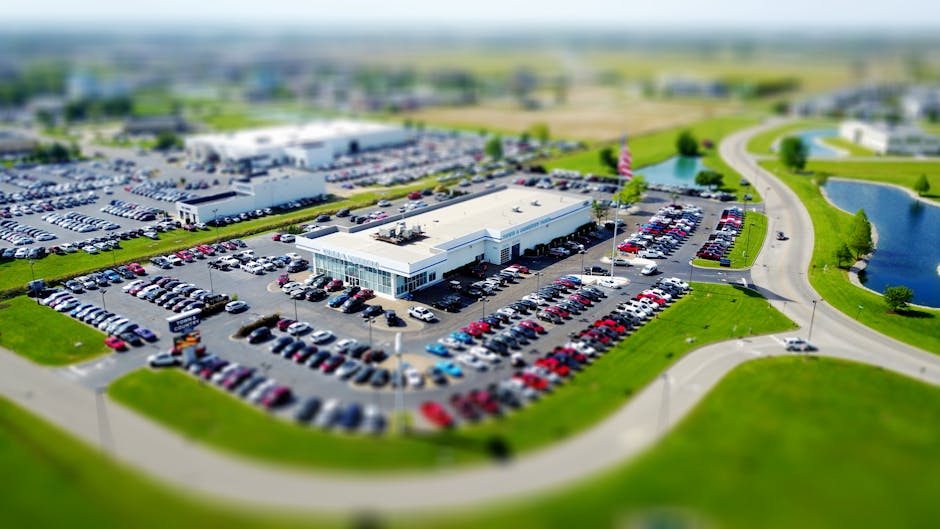
Edmunds data shows a dramatic acceleration: vehicles priced between $20,000 and $29,999 are leaving showrooms 20% faster than they did at the start of the year. The $30,000‑$39,999 bracket follows with an 18% boost, and even the $40,000‑$49,999 tier shrank its sales cycle by nearly 12%. All three lower‑priced groups now clear in under 60 days, while models above $50,000 still linger beyond that mark. As Edmunds Director of Insights Ivan Drury put it, "If you're a dealer and you have inventory and that price point, you're definitely noticing."
Why the Fast Lane Is Narrowing
The rapid turnover reflects two converging pressures. First, rising gasoline costs force buyers to look for smaller, more fuel‑efficient machines that also carry lower price tags. Second, lingering supply‑chain constraints keep overall inventory tight, meaning any affordable stock that appears on the lot is quickly snapped up. Yet paradoxically, overall sales of compact cars and SUVs under $40,000 have slipped—down about 4% and 8% respectively since early 2026—suggesting that while the few cheap units that exist move fast, the broader segment remains under‑served.
What This Means for Buyers and Dealers
For shoppers, the message is clear: act quickly and be ready to negotiate. With average new‑car listings hovering near $49,726, the margin for price‑hunting is shrinking. Consumers who can stretch to a slightly higher bracket may find more options and less competition. Dealers, meanwhile, must balance the lure of rapid turnover with the risk of depleting their low‑margin inventory, potentially prompting them to shift marketing spend toward certified‑pre‑owned models or to offer attractive financing to retain traffic.
Looking Ahead
If fuel prices stabilize and supply chains loosen, the urgency driving these fast sales could ebb, allowing higher‑priced segments to regain momentum. Conversely, continued economic headwinds might cement the current pattern, prompting manufacturers to prioritize the development of affordable, efficient models. Either way, the next few quarters will reveal whether today’s sprint is a temporary flare or the new baseline for the industry.
Original reporting via Source.