
Why a Simple Misspelling Is Stirring Up the Shooter Scene
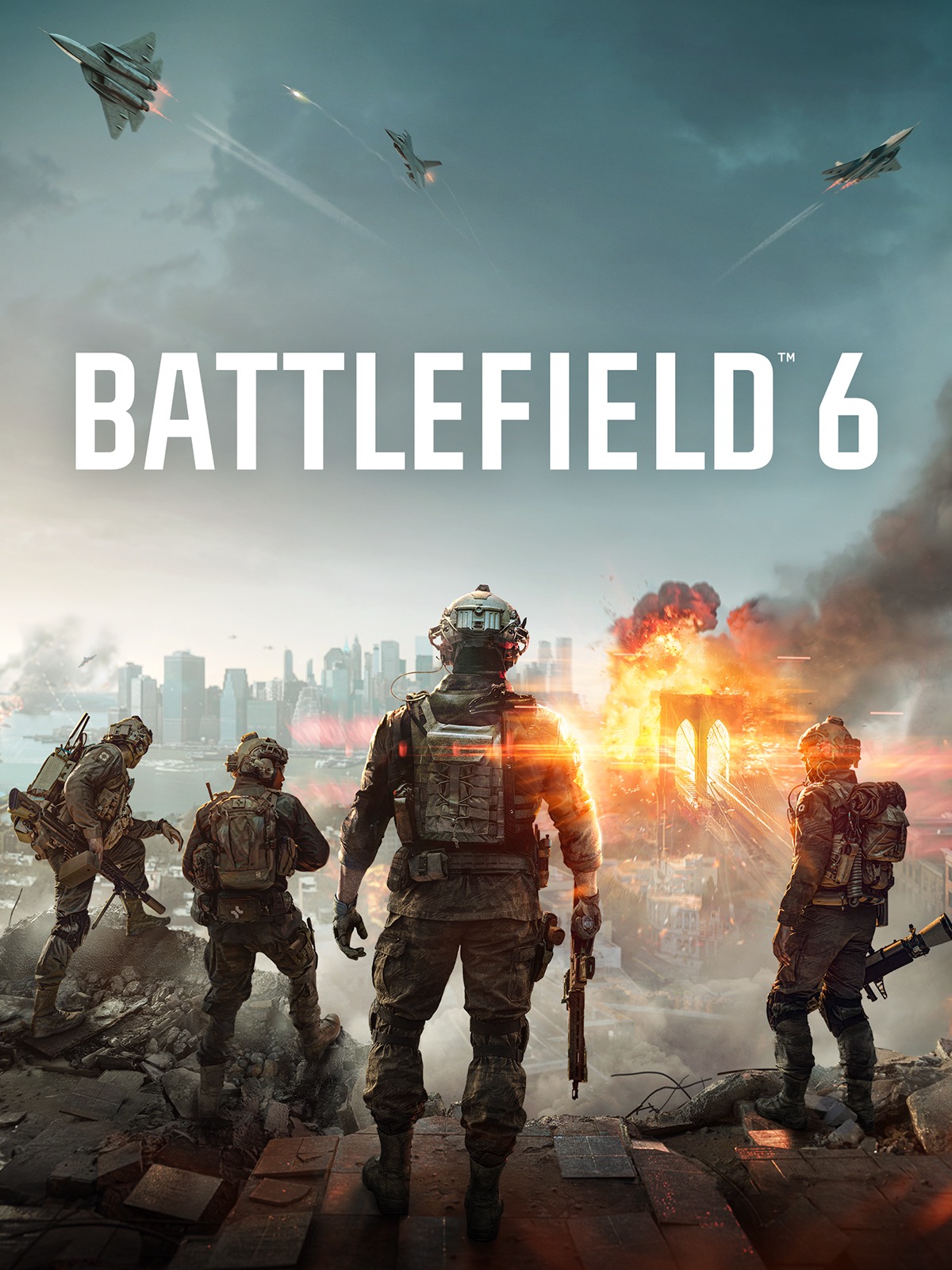
In an era where micro‑transactions and seasonal passes dominate live‑service games, even a minor typo can ignite a firestorm. The recent uproar over a misspelled cosmetic tag and a pistol‑laden skin in Battlefield 6’s Season 5 highlights how tightly players guard the line between authenticity and monetisation.
What Happened?
During the rollout of Season 5, players noticed a new cosmetic item labelled “Secuty” instead of the expected “Security.” The same update also introduced a visual set that outfits characters with five pistols, a design choice many found absurd and wasteful. The community erupted on forums and social media, demanding an apology and a rollback.
According to a statement from the Battlefield 6 developers, “We appreciate the feedback and are reviewing the cosmetic details for future updates.” The brief acknowledgement attempted to calm the situation but left many wondering if the issue was merely a clerical error or a symptom of deeper quality‑control lapses.
Why This Matters Beyond a Typo
Misspellings in games are not new—think of the infamous “Doomsday” typo in a 2018 RPG—but the reaction this time is amplified by several converging trends. First, players are increasingly vocal about the value they receive for money spent on cosmetics. When a premium skin appears to prioritize novelty over practicality, especially with an absurd five‑pistol configuration, it fuels perceptions of cash‑grabbing.
Second, the modern shooter audience expects polished, battle‑ready aesthetics. A typo undermines that expectation, suggesting a rushed pipeline or insufficient QA. In a competitive environment where visual clarity can affect performance, even cosmetic glitches are taken seriously.
Historical Context and Comparisons
- Call of Duty’s “Nazi” Easter Egg – A hidden reference sparked backlash and forced a patch, showing how cultural sensitivities can magnify small oversights.
- Overwatch’s “Gamer” skin – Fans criticized the skin for pandering, leading Blizzard to adjust its seasonal roadmap.
Both cases, like Battlefield 6’s current dilemma, demonstrate that developers can’t afford to treat cosmetic content as an afterthought. The community’s willingness to rally around seemingly trivial issues indicates a broader demand for accountability.
Potential Outcomes and What Players Should Expect
If the dev team chooses to replace the “Secuty” tag and redesign the pistol‑heavy skin, they could restore goodwill and set a precedent for swift corrective action. Conversely, ignoring the outcry may erode trust, especially as EA’s “Live Service” model hinges on repeat purchases and positive sentiment.
Looking ahead, we may see more rigorous internal reviews before seasonal drops, perhaps even community‑beta testing for cosmetic items. Such steps could mitigate future embarrassments and keep the focus on gameplay rather than clerical errors.
Final Thoughts
The Battlefield 6 episode is a reminder that in live‑service games, every pixel and every word matters. While a typo might seem inconsequential, it can become a flashpoint for broader concerns about quality, value, and respect for the player base. Developers who listen, adapt, and transparently address these issues will likely retain a healthier relationship with their community, turning a small misstep into an opportunity for improvement.
Original reporting via Source.