
Why the valuation matters
When a startup crosses the $1 billion “unicorn” threshold, the market takes notice; crossing $1.5 billion is an even stronger signal that investors believe the technology has moved beyond hype to real commercial utility. In the case of Nous Research, the fresh capital injection backs a bold bet on AI agents that can act on behalf of human workers, a capability that could redefine productivity across a swath of industries.
The deal behind the numbers
According to TechCrunch, "Nous has reached a $1.5 billion valuation" after a financing round led by several late‑stage venture firms. While the exact composition of the round remains private, the headline suggests that the investors see a clear path to monetisation through subscription‑based enterprise licences and customised deployments. The company’s core product is a platform that lets businesses create, train, and deploy autonomous agents that can handle routine tasks such as data entry, scheduling, and even first‑line customer support.
From chatbot to autonomous agent
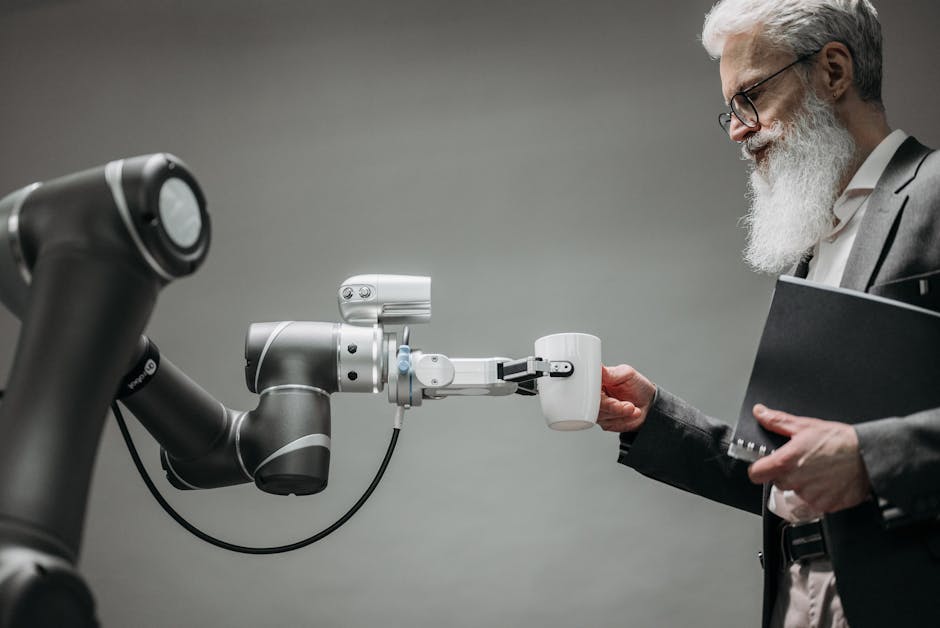
Earlier AI offerings for businesses were largely limited to chat‑based assistants that required constant human supervision. Nous’s agents are built on large language models that can integrate with internal APIs, read and write to databases, and trigger workflows without a human in the loop. This shift from “assist” to “act” mirrors the evolution of robotics, where the focus moves from remote control to true autonomy.
Implications for enterprises
For a midsize firm, the prospect of offloading repetitive processes to a self‑learning agent can translate into measurable cost savings and freed‑up talent for higher‑value work. Large corporations, meanwhile, can scale these agents across global divisions, ensuring consistency in compliance‑heavy procedures such as invoice verification or regulatory reporting. The real competitive edge, however, will come from how quickly organisations can train agents on proprietary data and embed them in existing tech stacks.
Potential challenges and risks
Despite the excitement, several hurdles remain. Data privacy regulations in Europe and the U.S. demand rigorous safeguards when agents access sensitive information. Moreover, the reliability of autonomous agents hinges on the quality of the underlying language model; hallucinations or erroneous actions could damage brand reputation. Companies will need robust monitoring frameworks and clear escalation paths to mitigate these risks.
Looking ahead
Nous’s valuation surge suggests that the market is ready to back the next generation of AI‑driven workforces. If the company can deliver on its promise of plug‑and‑play agents that integrate seamlessly with ERP, CRM, and HR systems, it could set a new standard for how businesses think about automation. The next few quarters will reveal whether the hype translates into durable revenue streams, but the signal is clear: AI agents are moving from experimental labs to boardroom strategies.
Original reporting via Source.