
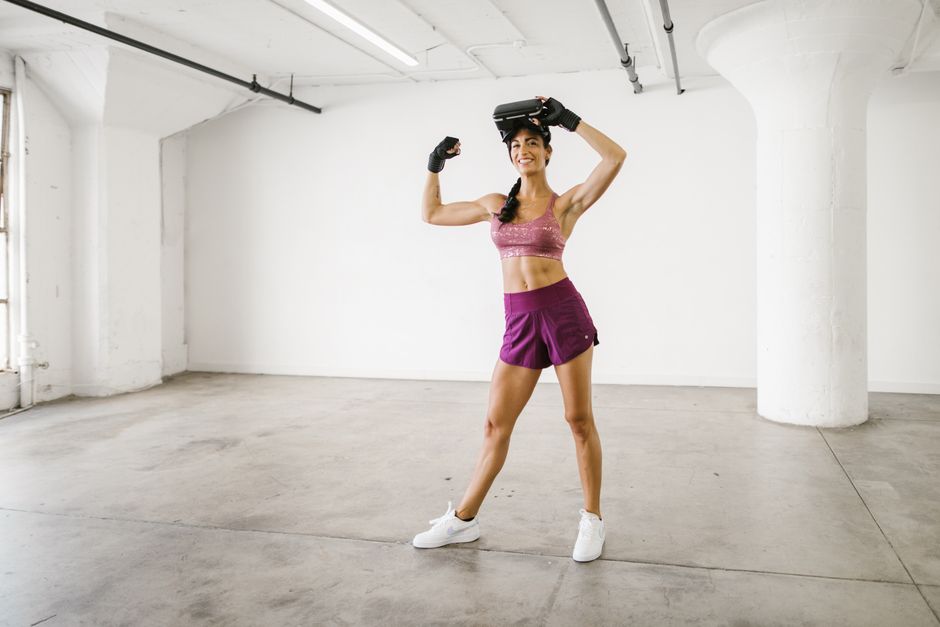
Imagine opening a chat with an AI assistant that not only suggests outfits but also shows you how they look on your digital avatar. This shift signals a broader move toward immersive, AI‑driven commerce, where convenience meets personalization in a way that could reshape retail.
Why It Matters Beyond the Gimmick
The ability to virtually try on clothing using a conversational AI isn’t just a novelty. It addresses a long‑standing pain point for online shoppers: uncertainty about fit and style. By integrating computer vision, 3D modeling, and natural language processing, ChatGPT is bridging the gap between the tactile experience of brick‑and‑mortar stores and the convenience of e‑commerce.
The Technology Under the Hood
ChatGPT leverages large‑scale language models to understand style preferences expressed in plain text, while a separate visual AI generates a realistic representation of the user’s body based on supplied measurements or a quick photo scan. The system then layers garment textures onto the avatar, adjusting for fabric drape and movement. According to TechCrunch, "ChatGPT can now virtually try on clothes for you," highlighting the convergence of generative AI and augmented reality.
Impact on Brands and Consumers
Retailers stand to benefit from lower return rates, a key cost driver in online fashion. A virtual fitting room can also collect anonymized data on fit preferences, feeding back into design cycles. For consumers, the technology promises a more confident shopping experience, reducing the need for multiple size exchanges.
Comparisons to Past Innovations
Virtual try‑on concepts have existed for years, but they often required dedicated apps or specialized hardware. The novelty here is the conversational interface: shoppers can ask, "Show me this jacket in navy and see how it looks with my favorite jeans," and receive an instant visual. This mirrors the evolution seen in voice‑first assistants, which moved from simple commands to nuanced, context‑aware dialogues.
Potential Challenges and Ethical Considerations
Privacy is a primary concern. Users must trust that biometric data used to generate avatars is stored securely and not repurposed for advertising without consent. Additionally, AI‑generated visuals could set unrealistic expectations if the rendering doesn’t accurately capture fabric behavior, leading to disappointment.
Looking Ahead
As AI continues to ingest more fashion data, we can expect even finer granularity—think dynamic lighting that shows how colors shift under different conditions, or real‑time adjustments for body movement. In the longer term, the technology could integrate with smart mirrors in physical stores, creating a seamless omnichannel experience.
Ultimately, the marriage of ChatGPT’s conversational prowess with visual AI could democratize personal styling, turning every smartphone into a private fitting room. The next frontier will be ensuring that this convenience respects user privacy while delivering truly accurate representations.
Original reporting via Source.