
Why Nissan’s Production Push Matters
American automakers are racing to fill the electric‑and‑hybrid niche, and Nissan’s latest move signals a strategic bet that domestic output can keep pace with shifting consumer tastes. By leveraging the upcoming Rogue hybrid, the Japanese giant hopes to turn a modest U.S. footprint into a near‑million‑unit operation, a shift that could reverberate across suppliers, labor markets, and the broader policy debate on reshoring.
From Two Shifts to Three: Scaling Up at Home
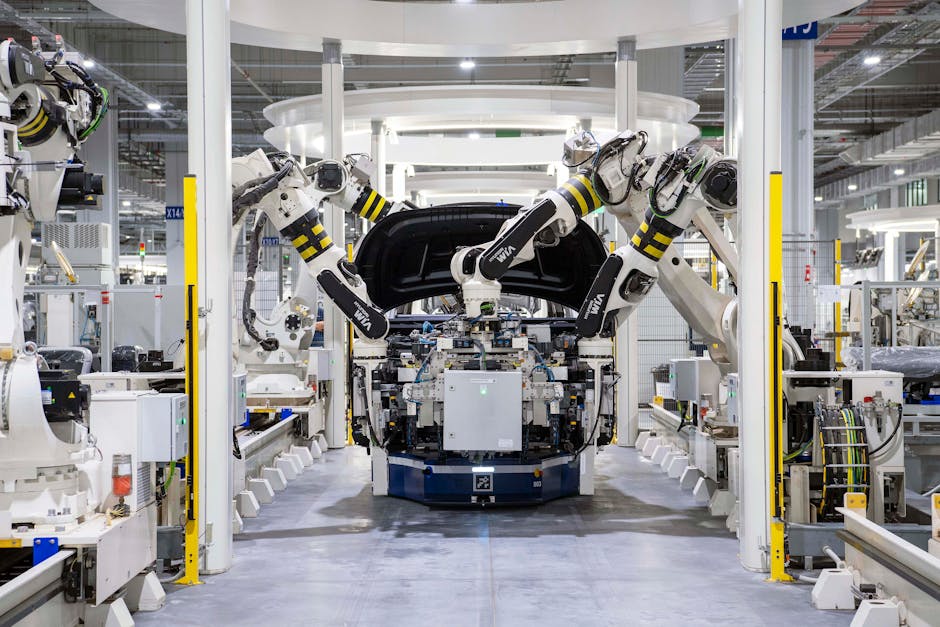
Nissan currently runs two production shifts at its 6‑million‑square‑foot Smyrna, Tennessee complex, where the current‑generation Rogue and several Infiniti crossovers are built. The company’s chairman for the Americas, Christian Meunier, told CNBC that “We're now maxing out the production capacity in the U.S.” and that a third shift is the logical next step. Adding a third eight‑hour shift would more than double the plant’s throughput, pushing annual U.S. production toward the one‑million‑vehicle mark, up from just under 487,000 units slated for 2025.
Hybrid Strategy and Market Timing
The upcoming 2027 Rogue will arrive in two flavors: a conventional gasoline model and a new plug‑in hybrid variant. Nissan plans to begin hybrid assembly in Tennessee next year, but to avoid a launch gap the company will initially import the hybrid from Japan. This dual‑track approach balances speed to market with the long‑term goal of domesticizing the technology, a tactic reminiscent of how other manufacturers have staggered EV rollouts while their plants catch up.
Job Creation and Political Climate
Each new shift typically brings hundreds, if not thousands, of additional jobs—both on the line and in supporting roles such as logistics, tooling, and quality assurance. The timing aligns with a broader push from the current administration to boost U.S. auto manufacturing employment, a narrative that could earn Nissan favorable policy attention and potentially smoother supply‑chain incentives.
Looking Ahead: 2030 and Beyond
Nissan has publicly set an ambitious target: 80% of the vehicles it sells in the United States should be produced domestically by 2030. While the company has no plans for a brand‑new plant, the incremental capacity gains at existing sites, combined with a possible third shift, suggest it believes the current footprint can be stretched to meet that goal. If successful, Nissan would join a select group of global automakers that have largely localized production for the North American market, reducing exposure to tariffs and currency fluctuations.
However, the plan is not without risk. Scaling up requires significant capital investment in staffing, training, and possibly new tooling to accommodate the hybrid powertrain. Moreover, the broader market’s appetite for hybrids versus full battery‑electric vehicles remains uncertain, especially as competitors accelerate pure‑EV lineups. Should consumer demand tilt sharply toward zero‑emission models, Nissan’s hybrid‑centric expansion could require a rapid pivot.
In sum, Nissan’s push to add a third shift and launch a Rogue hybrid is a calculated gamble that intertwines production efficiency, job growth, and market positioning. If the hybrid gains traction and the extra shift materializes without major hiccups, the automaker could solidify its foothold in the competitive midsize crossover segment while edging closer to its 2030 localization ambition. The next few quarters will reveal whether this bet pays off or if the company must recalibrate in an industry that’s accelerating toward full electrification.
Original reporting via Source.