
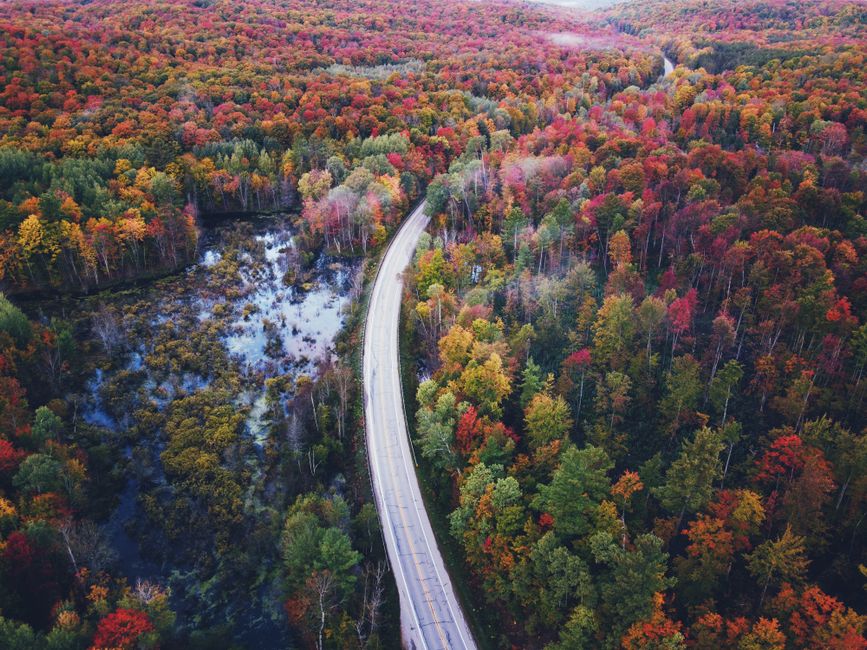
Why Autumn Is the New Luxury Travel Frontier
As the sun begins to dip earlier in the northern hemisphere, high‑net‑worth tourists are swapping bustling summer beach resorts for quieter, color‑rich destinations. This shift isn’t just a seasonal preference; it signals a broader reallocation of discretionary spending toward experience‑driven lifestyles.
Data Shows a Surge in Autumn Bookings
According to Virtuoso, the global network that connects elite travelers with premium providers, bookings for luxury trips in the fall rose 59% year‑over‑year, while revenue jumped 69%. September alone saw a 77% increase in sales, turning what used to be a shoulder period into a standalone peak. October and November followed suit with gains of 54% and 71% respectively.
Demographic Drivers
The boom is powered by three overlapping cohorts. Baby boomers, now comfortably retired, have the time and capital to explore the world. Gen Xers, freed from school‑calendar constraints as their children head off to college or beyond, are also extending their vacation windows. Finally, younger digital nomads—millennials and Gen Z—are unshackled from traditional office hours, allowing them to chase temperate climates well into the year.
Climate and Crowding Concerns
Europe’s recent heatwaves have made July and August feel less hospitable, driving travelers to seek milder weather. Meanwhile, iconic summer hotspots such as southern Italy and the French Riviera are increasingly saturated, with top hotels and Michelin‑starred eateries booked months in advance and charging premium rates. The result is a perfect storm of demand for off‑peak luxury experiences.
What This Means for the Luxury Market
“September is really eclipsing August,” noted Misty Belles, Vice President at Virtuoso. This comment underscores a strategic pivot for hotels, cruise lines, and tour operators: they must now tailor offerings for an affluent autumn clientele, from curated vineyard tours in Tuscany to private island retreats in the Caribbean during hurricane‑low seasons.
- Revenue models are being recalibrated to capture higher margins in traditionally slower months.
- Marketing campaigns are emphasizing foliage, harvest festivals, and cultural events rather than beach‑centric narratives.
- Service standards are heightened, as guests now expect exclusive, less‑crowded experiences.
Looking Ahead
If the current trajectory holds, the industry could see a permanent redefinition of “peak season.” Travel providers that adapt quickly—by securing inventory early, offering flexible pricing, and designing bespoke itineraries—will likely dominate the emerging fall market. For affluent travelers, the payoff is clear: premium experiences without the summer throngs, all while capitalizing on the seasonal charm of autumn.
Original reporting via Source.