
Why a Gaming Giant Is Turning to Feline Fame
When a storied video‑game publisher decides to collaborate with an internet‑sensation cat, it signals more than a novelty marketing stunt. It reflects an industry increasingly eager to blur the lines between pop culture, fan communities, and merchandise ecosystems.
From Stealth Ops to Catnip Ops
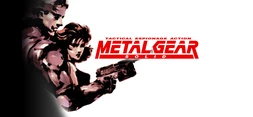
According to the press release, "Konami is partnering up with a celebrity kitty named ‘one‑eared Uno’" to launch a limited‑edition Metal Gear cat‑toy line at CatCon 2026. Uno, a whiskered influencer known for a distinctive missing ear, has amassed a following that rivals many indie game streamers. By aligning with Uno, Konami taps into a demographic that spans both cat lovers and retro‑gaming enthusiasts.
Metal Gear, a franchise celebrated for its intricate narratives and tactical gameplay, has historically appealed to a mature audience. Yet the brand’s recent forays into merchandise—ranging from action figures to fashion collaborations—suggest a strategic pivot toward broader, lifestyle‑oriented branding. The CatCon debut is the latest chapter in this diversification, echoing past crossovers like the Super Mario cereal and Halo collectible watches.
Context: Gaming Meets Niche Conventions
Convention culture has evolved from pure fan‑service events to lucrative marketing platforms. CatCon, originally a niche gathering for feline aficionados, now attracts tech‑savvy attendees, many of whom are also gamers. This convergence creates a fertile ground for hybrid products that speak to multiple passions simultaneously. Konami’s decision mirrors similar moves by companies such as Capcom, which partnered with a popular dog influencer for a Resident Evil pet accessory line earlier this year.
From a business standpoint, the collaboration offers a low‑risk test market. Limited‑run items generate hype, drive foot traffic, and provide valuable data on consumer response without the overhead of a full‑scale product launch. If the Metal Gear cat toys sell out quickly, it could pave the way for a broader line—perhaps plushies, apparel, or even a themed cat‑play arena.
What This Means for Players and Pet Owners
Beyond the novelty factor, there are practical takeaways for the community. For gamers who are also pet owners, such merchandise blurs the line between hobby and home life, allowing fans to showcase their allegiance in a playful, pet‑friendly manner. Moreover, the partnership underscores the growing importance of influencer culture in product development, hinting that future game‑related merch might increasingly feature internet personalities—human or animal.
It also raises questions about brand authenticity. While some purists may view the move as a cash‑grab, others will appreciate the lighthearted acknowledgment that gaming culture permeates everyday life, even in the form of a cat toy shaped like a stealth operative.
Looking Ahead
The success of the Metal Gear cat toy collection could signal a broader trend where legacy gaming brands seek out unconventional collaborators to stay relevant in an oversaturated market. If the partnership resonates, we might see similar ventures at pet expos, music festivals, or even culinary events, each pairing iconic game titles with unexpected cultural icons. For now, fans can anticipate the unveiling at CatCon 2026, where stealth meets whiskers in a delightfully absurd mash‑up.
Original reporting via Source.