
Why the Reset Matters
When a major studio decides to overhaul a live‑service title before its official launch, it signals more than just a hiccup in development—it reflects a shifting relationship between publishers and players. Sony’s decision to reboot Horizon Hunters Gathering after a rocky playtest period highlights the growing weight of community feedback in shaping multiplayer experiences.
Background and the Misstep
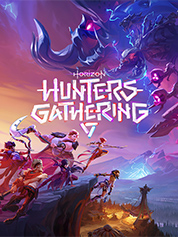
According to industry reports, the Horizon spinoff, initially marketed as a cooperative PvE adventure set in the beloved Frontier universe, entered internal playtests that generated a wave of criticism. Players cited unbalanced progression, repetitive loops, and a lack of clear endgame goals. One insider summed it up succinctly: "We heard the community loud and clear." In response, Sony reportedly halted the current build and is re‑engineering core systems before resuming external testing.
The move is notable because Horizon Hunters Gathering was poised to be Sony’s flagship live‑service experiment following the success of titles like Destiny 2 and Apex Legends. The ambition was to blend the franchise’s narrative depth with ongoing multiplayer content, a formula that has proven lucrative for competitors. However, the early feedback suggested that the game’s design may have prioritized brand recognition over solid gameplay loops.
Industry Trends and What Could Change
Rebooting a live‑service project is not unprecedented. Ubisoft famously reworked Rainbow Six Siege after a tepid launch, and Square Enix revived Final Fantasy XIV following its initial failure. Those turnarounds succeeded because developers listened, invested in community tools, and delivered regular content updates. Sony appears to be following a similar playbook, opting for a fresh start rather than a patch‑heavy salvage mission.
- Player‑first design: Future iterations will likely emphasize clearer progression milestones and more varied mission objectives.
- Transparent communication: By openly acknowledging the misstep, Sony can rebuild trust, a strategy that has worked for other studios facing backlash.
- Technical polish: Addressing latency, matchmaking, and server stability will be crucial, especially as the Horizon franchise attracts a global fanbase.
Moreover, the decision underscores a broader market trend where developers treat beta phases as genuine product development windows rather than marketing hype. The rise of early‑access models and community‑driven QA means that negative feedback can now trigger substantial pivots before a game fully launches.
Looking Ahead
For fans, the reboot offers a chance to see a more refined Horizon multiplayer experience that lives up to the franchise’s storytelling pedigree. If Sony can integrate the lessons from the playtest—balancing accessibility with depth—it could set a new benchmark for live‑service titles anchored in strong IP. The industry will be watching closely; a successful comeback could encourage other publishers to adopt a more iterative, community‑centric approach, while a repeat failure would reinforce the risks of ambitious multiplayer spin‑offs.
Original reporting via Source.